Choosing the right material for flexible packaging
Material selection is a key foundation for developing and producing reliable flexible packaging. The material and structure affect recyclability and how effectively packaging protects, functions and can be processed within the overall chain. The wrong decision can have negative consequences for shelf life, safety and the efficiency of your production process.
At DaklaPack, we advise customers daily on the right materials for flexible packaging. We combine material expertise with hands-on experience and look beyond the product alone. We also take the application, the full process and any sustainability goals into account. By weighing all these factors carefully, we deliver a result you can rely on at every stage, from production through to use.

Why material selection is crucial for your packaging
Choosing the wrong material can lead to immediate issues in practice. In food applications, an insufficient barrier against oxygen or moisture can cause quality loss or a shorter shelf life, creating risks for food safety. For chemical products, the wrong material can lead to leakage, deformation or damage to the packaging during transport and storage. This affects your product, as well as logistics and handling.
In medical and cosmetic applications, material choice is critical. Packaging for medical samples must retain its integrity and must not allow substances to pass through or leach out. With liquid products, compatibility plays a major role, so ingredients do not affect the packaging. By determining the right materials and structure upfront, these risks are avoided and the packaging continues to perform across every application.
Commonly used materials for flexible packaging
- Polyethylene
- Polypropylene
- Polyethylene terephthalate
- Aluminium
- Polyamide
Polyethylene (PE) is a flexible, strong material that seals well and is easy to process. It is used to pack both liquid and solid products. Thanks to its good moisture barrier and broad processability, PE suits a wide range of applications, from food and pet food to non-food and industrial items. It is also widely used in recyclable mono-material packaging.

Polypropylene (PP) is often chosen for its higher stiffness and good heat resistance. It is suitable for flexible packaging where shape retention, stability and a neat presentation are required. PP is widely used for food packaging and products where a tight seal and good processability are required. The packaging format holds its shape well during filling, transport and use.
Polyethylene terephthalate (PET) is a strong, stable material with good barrier properties against oxygen and aromas. It is often used in multi-layer films where extra protection is needed for shelf life and product quality. PET has a high gloss, prints extremely well, and adds strength and shape retention where protection and presentation both matter.
Aluminium (Alu) provides the highest barrier against light, oxygen and moisture. It is used when maximum product protection is required, for example for sensitive food products, medical applications or products with a long shelf life. Aluminium is almost always used as part of a multi-layer film, combined with plastics for processability and sealing.
Polyamide (PA) is known for its high strength and puncture resistance. It is often used in multi-layer films for larger liquid packs or heavier products. Nylon adds extra mechanical protection and is used, for example, for industrial liquids, sauces or other applications where strength and reliability are essential.

The role of films in multi-layer packaging
In multi-layer packaging, different films work together within one laminate structure. Each layer has a function, such as providing strength, sealability or protection against external influences. By combining materials intelligently, you get packaging that brings together the required properties without compromising processability or ease of use.
Barrier performance plays a central role here. Some products need protection against oxygen, moisture or light to maintain quality and shelf life. By choosing the right material structure, your product is optimally protected and the packaging continues to perform during storage, transport and use.
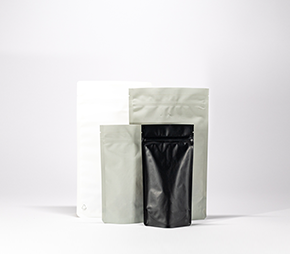
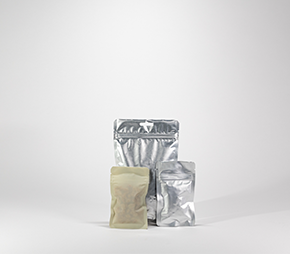
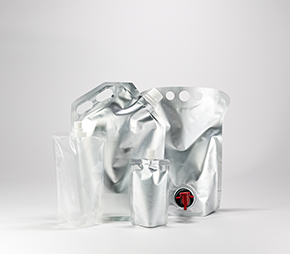
Our flexible packaging
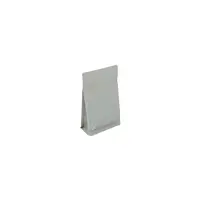
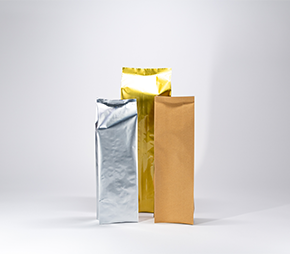
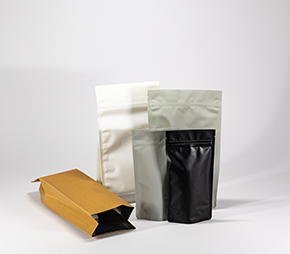
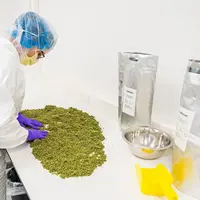

Sealability and processability of films
Beyond protection, it is crucial how a material behaves during production and filling. Sealability determines whether a packaging closes reliably, while processability affects speed and stability in automated processes. When material and production are properly matched, you get packaging that can be processed consistently and remains safely sealed during transport and use.

Matching your product and application
The right material selection starts with the product itself. Properties such as composition, sensitivity to moisture or oxygen and the filling method determine which films and structures are suitable. By analysing these functional requirements carefully upfront, the packaging can be aligned with the practical demands of production and use.
Liquid products, for example, require different properties from powders or solid products. This may involve extra barrier performance, chemical resistance or a specific seal strength. By matching material and application carefully, you get packaging that not only protects, but can also be processed smoothly.

Choose sustainable packaging materials
Sustainability plays an increasingly important role when selecting packaging materials. Consider recyclable mono-materials or optimising material use without compromising protection and functionality. A mono-material pack consists of one type of plastic, which makes recycling easier. At DaklaPack, sustainable choices are always weighed against technical requirements, processability and product safety. Environmental considerations and performance remain in balance.
Frequently asked questions

From material advice to reliable packagin
Not every application requires the same material or structure. That is why we align the choice of materials for flexible packaging with the risks and requirements across the supply chain. With years of expertise as our foundation, DaklaPack creates a packaging solution that meets product specifications and the requirements of the overall process.
Contact our team on (201) 630-6480, e-mail info@daklapack.us or use the form on this page. Our specialists are ready to help you find the right packaging solution.